
This post is for the two other people in the universe who have a passion for both generative art and cassette tapes.
What follows was written by an app I vibe-coded. The app was designed to explore what happens when you bump two unrelated topics into each other.
Here’s the output it produced when I fed it: Generative Art + Cassette Tapes:
~~
At first glance, cassette tapes and generative art seem to exist on completely opposite ends of the technological spectrum. One is a degrading, analog, physical relic of the past; the other is a permanent, digital, algorithmically-generated asset of the future, secured on-chain as an NFT.
However, when viewed through the lens of culture and distribution, these two mediums share a fascinating, intertwined DNA.
Here is an analysis of what happens when the underground ethos of the cassette meets the digital frontier of generative art and the blockchain.
Interesting Intersections and Connections
Both cassette tapes and generative art represent a fundamental desire to bypass traditional industry gatekeepers.
In the 70s and 80s, cassettes allowed political dissidents, punk bands, and underground creators to distribute their messages globally without needing a major record label, a publishing house, or a traditional distribution network.
Similarly, generative artists turned to NFTs as a mechanism to monetize, authenticate, and distribute their algorithmic work directly to collectors, completely bypassing traditional art galleries and institutional curators.
Both mediums rely heavily on strong, highly engaged subcultures. The tape-trading networks of the 80s mirror the Discord servers and Twitter communities of the generative art world today; both rely on word-of-mouth, community trust, and a shared DIY ethos to thrive.
Potential Synergies or Tensions
There is a profound tension between how these two mediums approach the concept of reproduction and value.
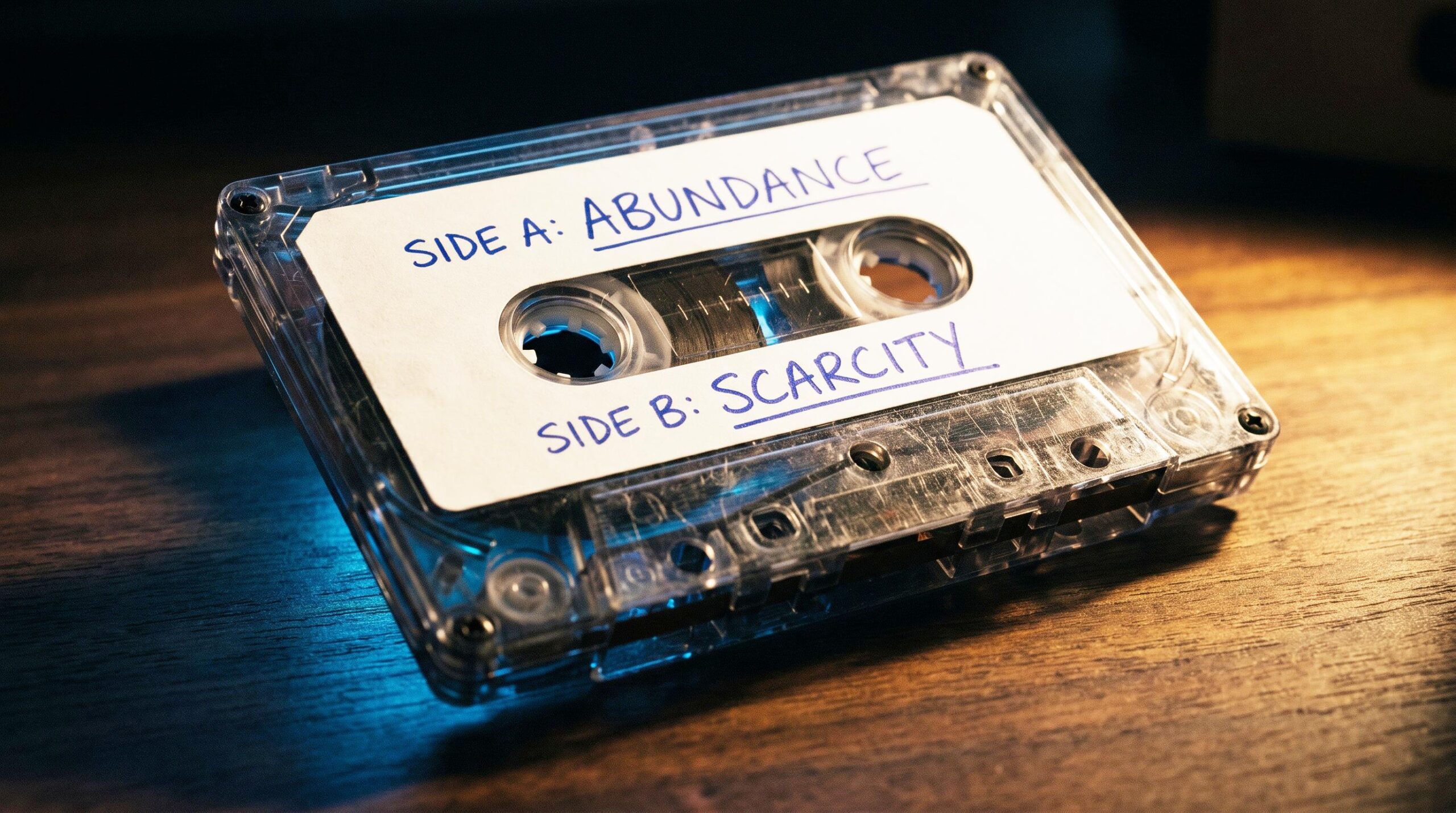
- Abundance vs. Scarcity: The greatest strength of the cassette tape was its ease of duplication. Anyone with a dual-deck radio could copy a tape, making it a medium of endless, democratized abundance (like bootlegs and mixtapes). NFTs do the exact opposite; they use blockchain technology to enforce artificial scarcity on digital files — including algorithmically generated art — that are otherwise infinitely reproducible.
- Degradation vs. Permanence: A cassette tape is deeply human. It degrades over time, hisses, gets tangled, and carries the physical wear of being played. An NFT is perfectly sterile, existing as immutable data on a decentralized ledger, regardless of how organic or generative the underlying artwork’s process may have been.
Yet, there is synergy in how both are used as cultural signifiers. Owning a rare underground punk cassette in 1985 and owning a coveted generative piece from an independent artist today both signal a specific cultural alignment and patronage to an independent creator.
New Ideas Emerging from the Combination
Fusing the analog intimacy of cassettes with the digital provenance of generative art and NFTs opens up highly creative possibilities for modern artists and creators.
- The “Phygital” Mixtape: Musicians could release a limited-edition physical cassette that contains a hidden cryptographic key or a unique audio watermark. Purchasing and decoding the physical tape allows the owner to mint an exclusive NFT, seamlessly linking physical intimacy with digital ownership.
- Tokenized Archival Movements: A Decentralized Autonomous Organization (DAO) could be formed to hunt down, digitize, and preserve political and cultural underground cassettes from the 70s. Selling NFTs of the digitized audio could fund the physical preservation of these fading historical artifacts.
- Smart-Contract Cassette Subscriptions: An artist could sell an NFT that acts as a decentralized membership pass. Whoever holds the NFT in their digital wallet automatically receives a freshly recorded, physical cassette tape in the mail every quarter, blending Web3 technology with old-school fan clubs.
Unexpected Patterns or Themes
One unexpected pattern is the lifecycle of “rebellious” technology and how it inevitably becomes an aesthetic choice.
Cassettes started as a raw tool for the underground, became a massive mainstream commercial standard, and have now returned to their roots as a niche, aesthetic choice for independent music lovers seeking tangibility in a streaming world.
Generative art experienced a hyper-accelerated version of this. It started as a decentralized, code-based experiment, exploded into a highly commercialized speculative bubble alongside the broader NFT market, and is now being reclaimed by a smaller, more dedicated core of generative artists and collectors looking for genuine algorithmic craft over speculation.
Both trajectories prove that a medium is never just a neutral tool; it becomes a cultural artifact that carries the ideological weight and the aesthetic rebellion of the people who use it.
Conclusion
The defining takeaway from combining cassettes and generative art is that the human desire for independent, creator-owned culture never changes, only the technology does.